If there’s one green that earns its place in the fall and winter garden, it’s kale.
This hardy, leafy vegetable keeps growing when most other crops have long faded, adding both nourishment and color to your meals.
Kale is easy to grow, full of nutrients, and incredibly versatile in the kitchen — from smoothies to soups to salads. Whether you’re a seasoned gardener or just dipping your toes into seasonal eating, this humble green deserves a spot in your home and on your plate.
A True Fall & Winter Crop
Kale thrives when the temperatures drop. While many vegetables wither in the cold, kale gets better — sweeter, even. The trick lies in the frost. When the air turns crisp, kale converts some of its natural starches into sugar, softening its bitterness and deepening its flavor.
That’s one of the reasons kale is considered a staple in fall and winter gardens across much of the U.S. and Europe. It can handle chilly nights and even light frost without complaint. Here in Texas, where winters are mild, kale can often grow straight through until early spring.
Plant it once, harvest for months, and you’ll have one of the most dependable greens in your garden.
How Kale Is Grown
Kale belongs to the brassica family — cousins include cabbage, broccoli, and Brussels sprouts — and it prefers rich, well-drained soil with plenty of organic matter. Compost or aged manure helps nourish the roots and keeps the leaves full and dark green.
You can start kale from seed in late summer for a fall harvest or in early spring before the heat sets in. It loves full sun but will tolerate partial shade. Water regularly, especially during dry spells, and pick the outer leaves first so the inner ones keep growing.
If you’re new to gardening, kale is forgiving. It’s resistant to pests, doesn’t demand much, and continues to grow back as you harvest. A few plants can easily keep a small family stocked with greens all season long.
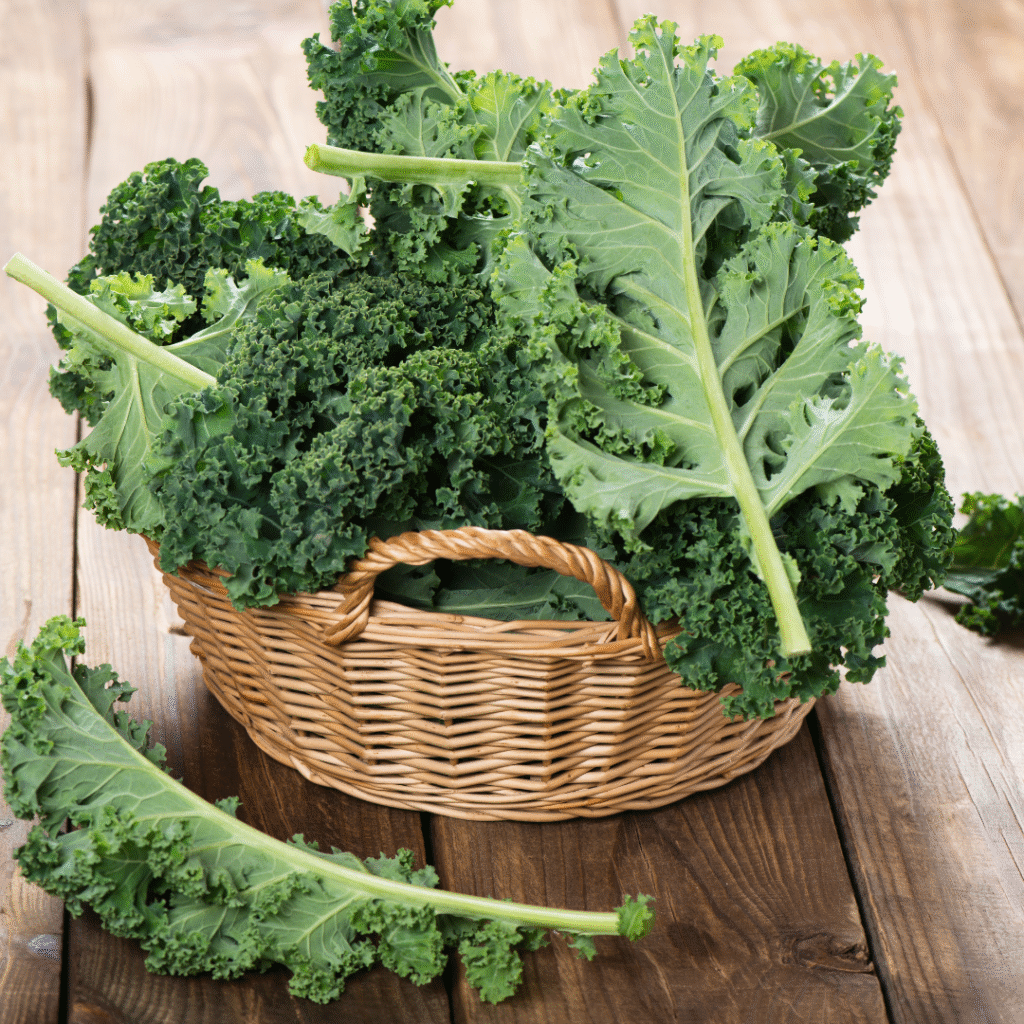
Kale’s Nutritional Benefits
Kale is often called a nutritional powerhouse — and for good reason. It’s one of the most nutrient-dense foods you can eat, offering an incredible variety of vitamins, minerals, and protective compounds in every leaf.
1. Rich in Essential Vitamins
Just one cup of raw kale provides more than 100% of your daily needs for vitamins A, C, and K.
- Vitamin A supports healthy vision and immune function.
- Vitamin C boosts collagen production, brightens the skin, and helps the body fight infections.
- Vitamin K is essential for strong bones and proper blood clotting.
2. High in Minerals
Kale contains generous amounts of calcium, magnesium, potassium, and iron, making it a natural choice for supporting bone strength, energy, and healthy blood pressure.
3. A Source of Antioxidants
Antioxidants like quercetin and kaempferol help neutralize free radicals and lower inflammation in the body. This means eating kale regularly can help protect against oxidative stress — one of the root causes of many chronic conditions.
4. Supports Natural Detoxification
Kale’s high chlorophyll and sulfur content support the liver’s detox process. These compounds help bind toxins and escort them safely out of the body — a gentle, everyday detox support straight from your plate.
5. Helps Balance Hormones & Blood Sugar
The combination of fiber, magnesium, and phytonutrients in kale helps stabilize blood sugar levels, reduce cravings, and support healthy metabolism.
In fact, in the right amount, kale may even act as a natural appetite balancer. Just 1–2 cups of raw kale (or 12–15 freeze-dried kale capsules daily) can help steady blood sugar and promote satiety — similar to how some prescription appetite suppressants work, but in a purely natural way.
6. Strengthens the Immune System
Kale is packed with vitamin C and zinc, both essential for immune defense. During the colder months, this combination can help your body fight off viruses and recover faster from seasonal bugs.
7. Boosts Heart Health
The fiber in kale helps lower LDL cholesterol, while its potassium content supports balanced blood pressure. It’s a double win for cardiovascular wellness.
8. Supports Skin, Hair & Eye Health
With antioxidants like lutein and zeaxanthin, kale helps protect the eyes from UV damage and age-related degeneration. Those same nutrients support healthy, glowing skin and stronger hair.
9. Anti-Inflammatory & Alkalizing
Kale helps reduce inflammation and balance the body’s pH levels — key factors for maintaining overall health, reducing pain, and keeping energy steady.
How to Use Kale in Everyday Cooking
Kale’s versatility in the kitchen might surprise you. Its texture and flavor adapt beautifully to both raw and cooked dishes. Here are a few ways to enjoy it:
- Massaged Kale Salad – Remove the stems, chop the leaves, and massage them with a drizzle of olive oil, a squeeze of lemon, and a pinch of sea salt. The leaves soften, making them tender and flavorful.
- Smoothies – Blend a handful of kale into your morning smoothie with banana, berries, or apple. You’ll hardly taste it, but you’ll get all the benefits.
- Soups & Stews – Add chopped kale during the last few minutes of cooking. It adds texture, nutrients, and a beautiful green color.
- Roasted Kale Chips – Toss in olive oil, sprinkle with sea salt or nutritional yeast, and bake until crispy.
- Stir-fries, Soups & Pasta Dishes – Add chopped kale right before serving for a pop of green and a boost of fiber.
If the flavor feels a bit strong, try pairing kale with naturally sweet vegetables like roasted carrots, apples, or beets. The sweetness balances the bitterness perfectly.
Seasonal Eating: Why Kale Belongs on Your Fall Table
Kale fits beautifully into a seasonal eating lifestyle. As the weather cools and our bodies crave more grounding, warming foods, kale provides a steady source of minerals, antioxidants, and plant-based fiber.
Eating with the seasons helps align your body’s natural rhythm with nature’s cycles. Fall and winter crops like kale, carrots, squash, and cabbage are designed to nourish and fortify us through colder months — providing warmth, stability, and deep nourishment.
By choosing seasonal greens like kale, you also support local farmers, reduce your carbon footprint, and often enjoy fresher produce with more nutrients intact.
Why Kale Is a Homestead Favorite
At the Homestead, kale is one of those crops we plant again and again. It’s dependable, generous, and full of life. A few rows can feed us for months, whether it’s added to soups simmering on the stove or chopped into a quick salad for lunch.
It’s the kind of food that reminds you how simple nourishment can be — a handful of greens, a drizzle of olive oil, and a little gratitude.
If you’re new to growing your own food, kale is a wonderful place to start. It’s easy, rewarding, and will give you a true sense of connection to your soil and your seasons.
A Note on Choosing Kale
When shopping or harvesting, look for kale with firm, dark green leaves and crisp stems. Avoid wilted or yellowing bunches. If possible, buy organic kale — it’s one of the crops often treated with pesticides when conventionally grown.
Store it unwashed in a loose bag in your fridge’s crisper drawer. When you’re ready to use it, rinse the leaves well and pat them dry before cooking or eating raw.
Final Thought
Kale may be a simple green, but it’s one of the most powerful foods nature offers. From its immune-boosting properties to its ability to balance blood sugar and support detoxification, kale earns every bit of its “superfood” reputation.
As the weather cools and our gardens change, make space on your plate — and maybe in your garden — for this resilient, nutrient-rich crop. It’s a small step toward eating with the seasons and supporting your health the natural way.
Want More Salad Inspiration?
Kale makes a wonderful base for colorful fall salads, especially when paired with roasted vegetables, apples, or seeds for crunch.
If you’d like more easy, nourishing ideas, download my Salad E-book — it’s full of simple, wholesome recipes that bring the best of every season to your table.