(A common-sense look from the Homestead Kitchen)
There’s a lot of talk out there about eggs. One day they’re good for you, the next they’re not. You’ll hear that they raise your cholesterol, and then you’ll hear they’re a superfood. No wonder people get confused!
Let’s take a step back and look at eggs with a little old-fashioned common sense.
It Starts With the Chicken
The simple truth is this: not all eggs are created equal.
You can’t expect to get healthy, nutrient-rich eggs from chickens that live in tiny cages, never see the sun, and eat cheap feed made mostly from corn and soy. Those chickens are stressed, crowded, and fed the same processed stuff that’s making humans unhealthy too.
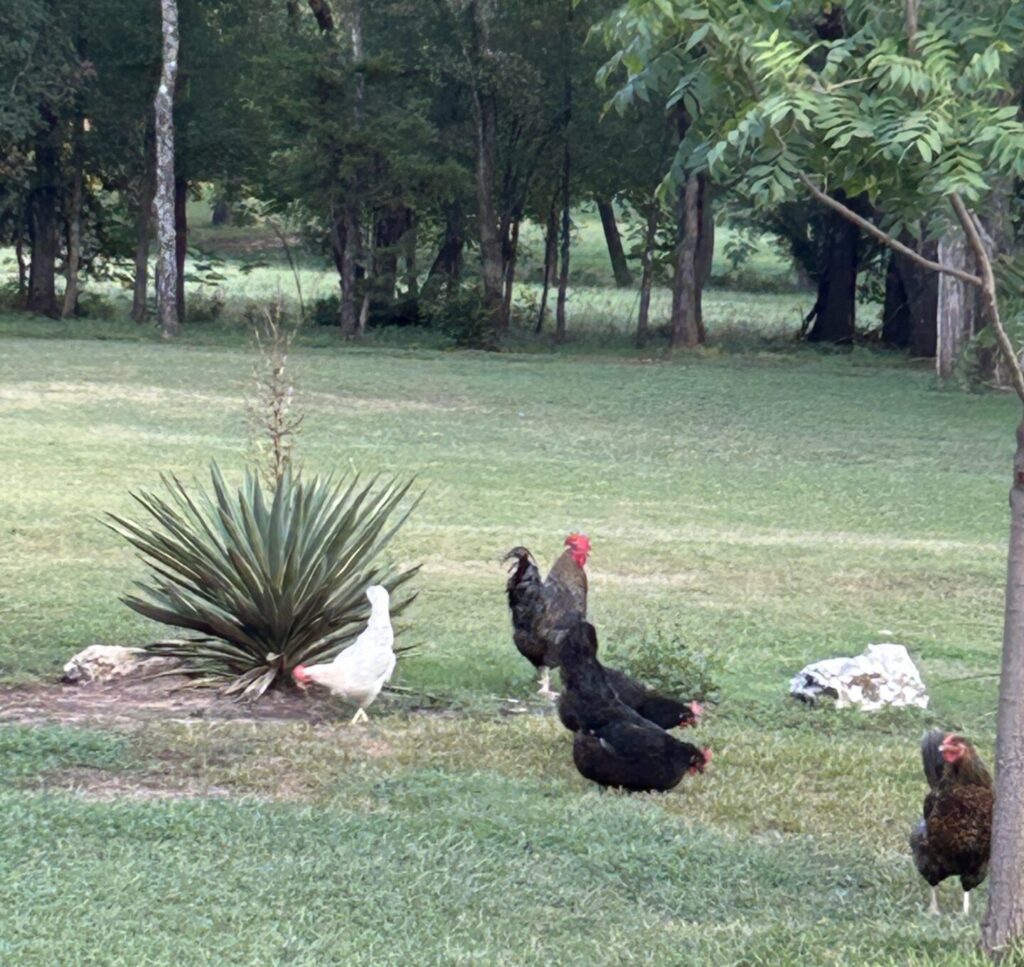
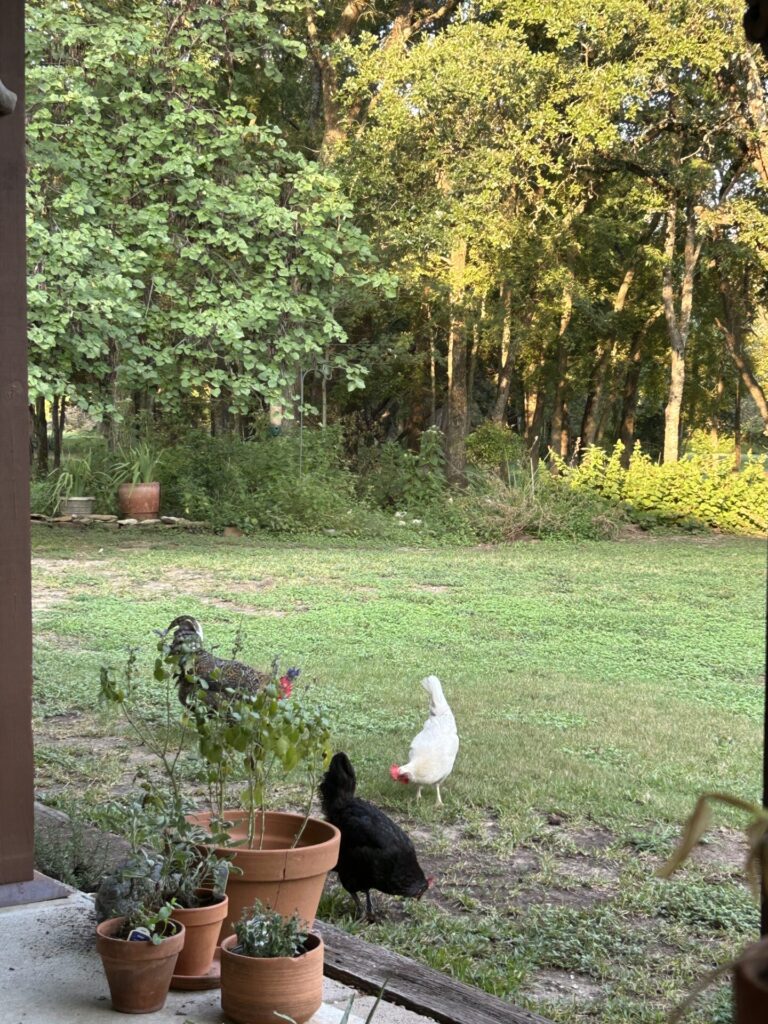
Now, compare that to a happy flock of free-range hens wandering around your yard or pasture. They scratch the ground, dig for bugs, peck at weeds and seeds, and take dust baths in the sun. These girls are living how nature intended — and it shows in their eggs.
The yolks from healthy, free-ranging chickens are rich golden orange, not pale yellow. That color tells you there’s more nutrition — especially vitamins, minerals, and healthy fats — because the chickens have been eating a variety of natural foods.
So yes, free-range eggs from chickens that aren’t fed a corn-heavy diet are the ones you want. It’s not about fancy labels or marketing terms — it’s about how the chickens live and what they eat.
What’s Inside an Egg
If you’ve ever cracked open a truly fresh, home-laid egg, you can taste and see the difference. The yolk stands taller, the whites are firm, and the smell is clean and mild.
Each egg is a tiny powerhouse of nutrition — full of what your body actually needs to build, repair, and stay strong.
Here’s what a good, wholesome egg gives you:
- High-quality protein – easy to digest and complete with all essential amino acids.
- Healthy fats – especially if your hens have been eating bugs, greens, and grass.
- Choline – supports your brain, memory, and energy levels.
- Vitamin D – when hens get sunshine, they pass some of that goodness into their eggs.
- B vitamins – important for energy and a calm nervous system.
- Lutein and zeaxanthin – natural antioxidants that support eye health.
In short, eggs are one of nature’s best ready-to-eat foods. They’re simple, real, and packed with nourishment in a form your body knows what to do with.
How Many Eggs Can You Eat?
Here’s where people start to worry — “But what about cholesterol?”
Let’s be honest: for most people, the problem isn’t the egg. It’s all the processed junk eaten with the egg — like fried hash browns, processed meats, or cheap oils. When you eat simple, real foods and your body is in balance, eggs are not the enemy.
If your eggs come from healthy chickens, you can safely enjoy 1–3 eggs a day as part of a balanced diet. Listen to your body — if you feel good, have energy, and your digestion is happy, you’re probably doing it right.
Some days you might have just one. Other days, two scrambled eggs with some fresh greens from the garden might be exactly what your body needs.
The Taste (and the Joy) of Fresh Eggs
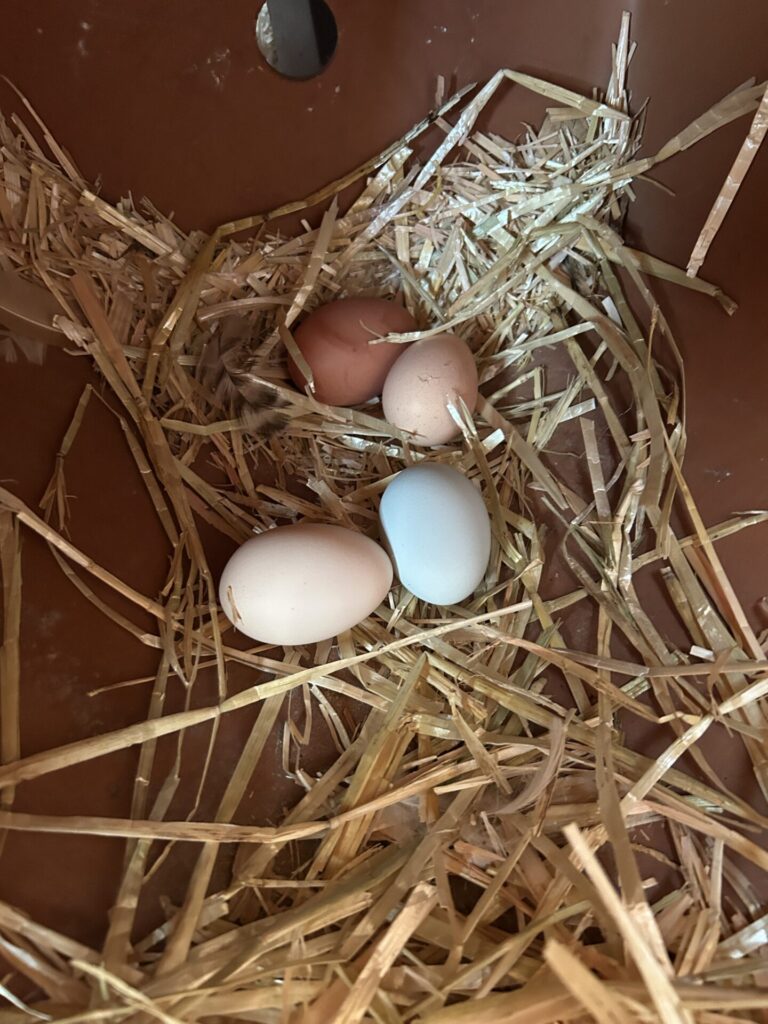
There’s also something deeply satisfying about collecting your own eggs. Walking out to the coop in the morning, hearing the soft clucking, and finding a few warm eggs in the nesting boxes — it’s the kind of rhythm that brings peace and pride.
The flavor of a freshly laid egg is richer, the yolk creamier, and it holds together better when you cook it. Even a simple fried egg on homemade toast feels like a small luxury.
Why You Should Keep Chickens Yourself
If you have a bit of space, 3–4 hens can easily provide enough eggs for a small family. Most hens lay 4–6 eggs per week during their productive months, which adds up quickly.
Here’s why it’s worth considering:
- You know what your chickens eat. You can feed them real food scraps, herbs, and greens from your garden.
- You know how they’re treated. Happy chickens make healthy eggs.
- It saves money in the long run. Store-bought “organic” or “free-range” eggs are pricey — and still not as good as the ones you collect yourself.
- You create natural fertilizer. Chicken manure, once composted, is garden gold.
- You reduce food waste. Chickens love veggie scraps, small weeds, and garden trimmings.
Most towns and neighborhoods now allow backyard hens — just no roosters (they’re the noisy ones).
A Few Tips If You’re Thinking of Getting Chickens
If you’re new to chickens, start small. Three or four hens are easy to care for, fun to watch, and give plenty of eggs.
- Space: Give them room to roam. Even a small fenced yard with grass and dirt for scratching is fine.
- Shelter: Build or buy a simple coop that’s dry, clean, and safe from predators.
- Feed: Offer good-quality layer feed, but also let them forage for bugs and greens.
- Clean water: Always keep it fresh and cool.
- Love: A little attention and a few kitchen scraps go a long way.
Before long, you’ll notice their personalities — some curious, some shy, some bossy. You’ll also notice that your waste goes down, your compost gets better, and your breakfasts taste amazing.
Common Sense Over Confusion
When it comes to food, big industries love to complicate things. They want us to think we need scientists, studies, and fancy labels to know what’s healthy.
But the truth has always been simple: real food comes from real living things, not factories.
If the animal lives naturally, eats naturally, and isn’t filled with chemicals, the food it provides will nourish you naturally too.
Eggs are no exception. A clean, freshly laid egg from a happy chicken is one of the most complete foods you can eat. It’s pure, wholesome, and exactly what our grandparents thrived on before food became “a science project.”
Bringing It Back to Balance
You don’t need to overthink eggs. Just make sure they come from a good source — ideally, your own backyard. Combine them with vegetables, herbs, and whole foods. Use them in soups, baking, or a simple veggie omelet for lunch.
If you ever doubt what’s good for you, ask yourself this:
“Would my great-grandparents recognize this as food?”
When the answer is yes, you’re probably on the right track.
Final Thoughts
So, are eggs good for you?
Absolutely — if they come from happy, healthy hens.
They’re full of nutrients, taste wonderful, and fit perfectly into a simple, balanced, and mindful lifestyle.
If you can, keep a few hens yourself. Not only will you get fresh eggs, but you’ll also find joy in the rhythm of caring for them — a rhythm that connects you to your food, your land, and a slower, more peaceful way of living.
At the end of the day, good health isn’t found in a lab or a label.
It’s found right in your backyard.