There’s something special about eating food that’s in season. It tastes better, is more nutritious, and helps support your body through the changing weather. This easy Fig & Grapefruit Salad came together when a sweet neighbor dropped off a big bag of fresh figs—something I hadn’t tasted or used before. I was curious to try them in a simple, fresh way, paired with spring greens, grapefruit, pecans, and a drizzle of honey ginger balsamic.
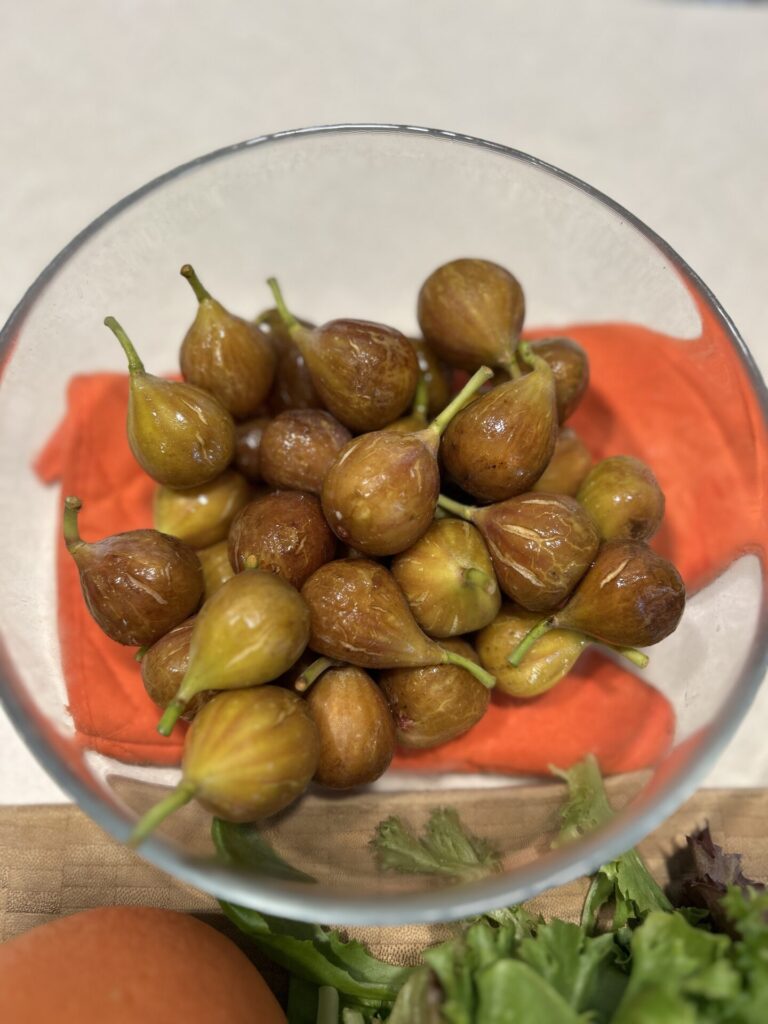
While grapefruit is usually in season during winter and early spring, it can still be enjoyed in summer if you can find some. I was craving grapefruit, and thought it would be great with the figs—and it was! This salad has just the right mix of sweet, tangy, crunchy, and soft.
And best of all? It only takes a few minutes to make.
Why In-Season and Organic Matter
When we eat organic, in-season, and local food, we do something good for both our bodies and the planet.
- In-season produce is picked at its peak—so it’s full of flavor and nutrients.
- Organic means we avoid pesticides and chemicals that can affect our hormones, gut health, and long-term well-being.
- Local supports small farmers and ensures that our food hasn’t lost nutrients from long travel or storage.
Eating this way also helps us feel more connected—to the land, the seasons, and ourselves. It brings us back to the basics of real, nourishing food. I call this Mindful Eating—choosing food with purpose, in a way that feels natural, seasonal, and balanced.
When we eat this way regularly, we often start to notice real changes in how we feel:
- Digestion improves, because we’re eating food that’s easier for the body to recognize and break down.
- Immunity strengthens, thanks to more vitamins, minerals, and antioxidants from fresh produce.
- Energy becomes more steady, without the crashes that come from processed or overly sugary foods.
- Hormones become more balanced, especially when we cut out pesticides, preservatives, and additives.
- The mind feels clearer, and we sleep better—because the body isn’t constantly trying to fight off junk or stress from poor food choices.
- Over time, we may also notice less bloating, more stable moods, and healthier skin—all signs that the body is getting what it needs.
Mindful Eating doesn’t have to be hard or strict. It’s about slowing down, choosing what’s in season, and listening to your body. Meals like this fig and grapefruit salad are a beautiful example of how simple ingredients—fresh, organic, and local—can bring real nourishment and joy.
Learn more about Mindful Eating here
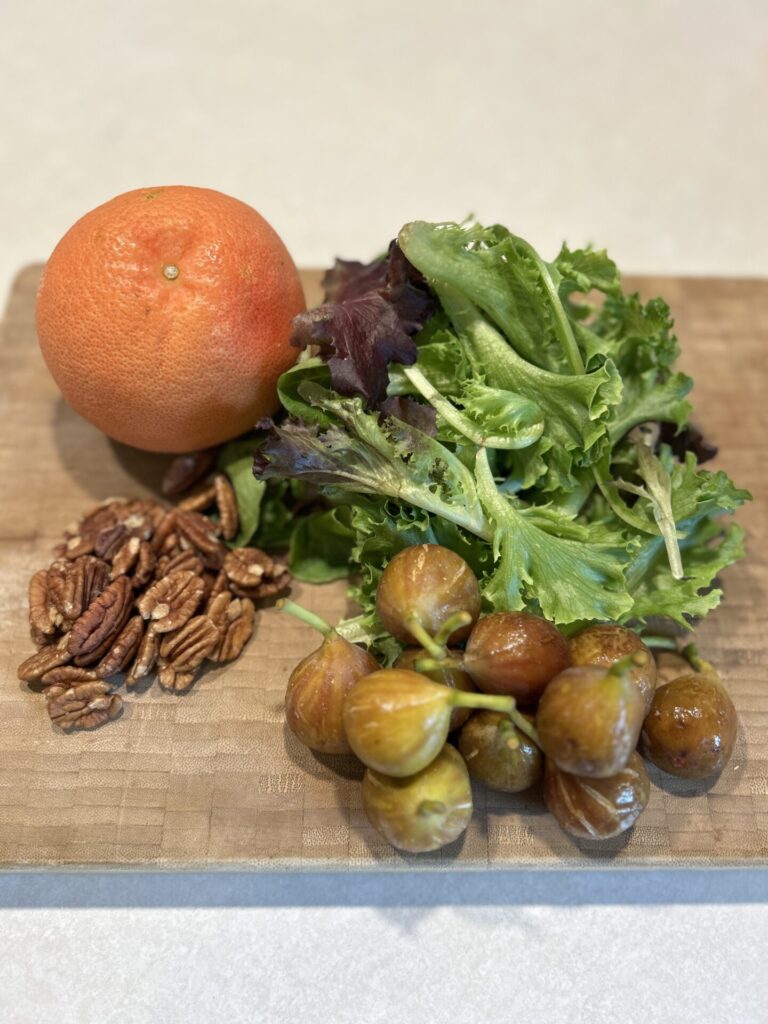
What’s in This Salad?
Each ingredient brings something different—both in taste and in how it helps your body:
Figs
Soft, sweet, and full of fiber.
They help with digestion and gut health, and they contain potassium to support the heart and muscles.
Red Grapefruit
Tangy and juicy, with a refreshing bite.
It’s packed with vitamin C for your immune system and skin, and it supports gentle detox through the liver.
Pecans
Rich, buttery, and crunchy.
They provide healthy fats, magnesium, and zinc—great for your brain, mood, and immune health.
Spring Mix
Tender baby greens that form a mild, nutrient-rich base.
They’re full of iron, folate, and plant compounds that help clean and nourish the body.
Honey Ginger Balsamic
Warm, sweet, and a little spicy.
Ginger supports digestion, while balsamic adds natural depth without added sugar.
Growing Your Own Figs, Pecans, and Grapefruit
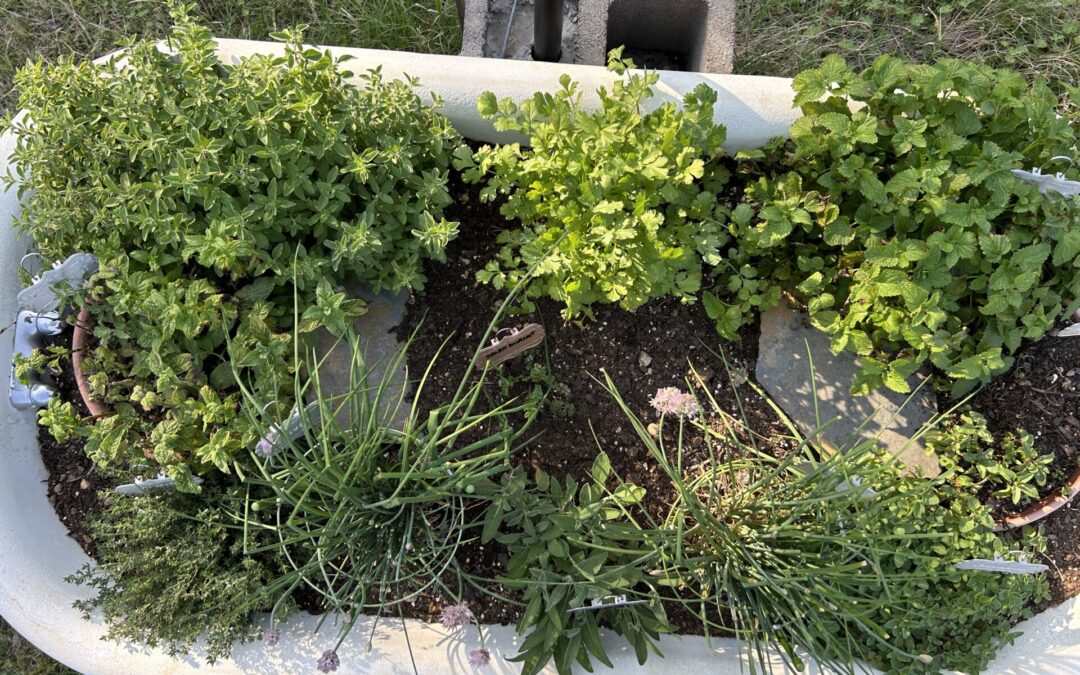
Part of the joy of seasonal eating is growing what you can in your own backyard—even if it’s just one tree or a pot on the porch.
Figs
- Figs are easy to grow in warm climates like Texas.
- They need full sun and well-drained soil.
- They grow well in the ground or in large containers.
- Most varieties are self-pollinating.
Once mature, fig trees can produce two harvests a year. Pick the fruit when it feels soft and droopy—they won’t ripen after picking.
Pecans
- Pecan trees love full sun and need space to spread their roots.
- Most varieties need a second tree nearby to help with pollination.
- They take a few years to start producing, but once they do, they can feed your family for generations.
Pecans usually drop in the fall and are easy to gather by hand.
Grapefruit
- Grapefruit trees need sunshine, shelter from wind, and well-drained soil.
- They grow well in USDA zones 9–11, or in large pots in slightly cooler areas.
- With care and patience, you can get fruit in 3–5 years.
A single tree can give you more fruit than you expect during the late winter and spring months.
Whether you start with one fig tree or plant a pecan to grow for the future, growing your own food brings a deeper connection to each bite.
Learn how to grow figs, pecans and grapefruit here
For This Fig & Grapefruit Salad You Will Need
4 cups spring mix
4–6 fresh figs, cut in half or quarters
½ red grapefruit, peeled and cut into bite-size pieces. I like to remove all the membranes too.
½ cup pecans, chopped
2–3 tbsp honey ginger balsamic vinegar
Optional: Pinch of sea salt, a few fresh mint leaves, or crumbled goat/sheep cheese
How to Make It:
- Place the spring mix in a bowl or on a serving plate.
- Add the figs and grapefruit on top.
- Sprinkle with pecans.
- Drizzle with honey ginger balsamic.
- Add a little sea salt and mint or cheese if you’d like.
- Serve right away and enjoy!
Serves: 2–3
Time: 10 minutes
Why I Love This Salad
This salad was a happy little experiment—using what I had, what was gifted, and what I was craving. It’s fresh, colorful, and full of nourishing ingredients. Whether you make it for lunch, a light dinner, or share it with friends, it’s a reminder that simple food made with love and seasonal ingredients can be deeply satisfying.
Extra Tip: Swap Grapefruit with Lemon
If grapefruit isn’t available or you prefer to use something in season, fresh or grilled lemon slices make a great substitute. Thinly slice a lemon (remove seeds), and either add it fresh for a clean, zesty bite—or lightly grill the slices for a caramelized, mellow citrus flavor that pairs beautifully with figs and pecans.