On busy days, we often fall back on this simple tuna salad with just four ingredients. It’s one of those go-to recipes that makes lunch quick, healthy, and satisfying—without much fuss. And the best part? It’s packed with nutrients from fish, one of the best sources of omega-3 fatty acids our bodies need to thrive.
I know what you might be thinking—can’t we just get enough omega-3 from plants, nuts, and seeds? The short answer is no. Plant-based omega-3 (ALA) is beneficial, but the body needs to work hard to convert it into the marine-based omega-3s we truly use, called EPA and DHA. These essential fats are found primarily in fish, and without them, our system can’t function at its best. This is why fish plays such an important role in a balanced diet. If you’d like to dive deeper, you can read more about the health benefits of wild-caught fish.
The Balance of Omegas and Why They Matter
Modern diets often tilt heavily toward omega-6 fatty acids, especially in the form of processed oils and factory-farmed animal products. Too much of this type of omega-6 (called arachidonic acid) can trigger inflammation, which is linked to many of today’s chronic health issues.
But not all omega-6s are harmful. Those from grass-fed or free-range animals, as well as from plants, can be very beneficial. What really matters is balance. Our bodies function best when we receive the right mix of omega-3, omega-6, and omega-9 fatty acids.
This is where wild-caught fish shines. Marine-based omega-3s (EPA and DHA) are some of the most powerful nutrients we can eat. They work to calm inflammation, support brain health, and protect the heart. Together with quality omega-6s and omega-9s, they help the body find equilibrium—a state where energy, mood, and overall well-being can thrive.
And fish offers more than just omegas. Tuna, for example, brings lean protein, B vitamins, selenium, and other trace minerals. These nutrients:
- Boost brain health: Omega-3s nourish memory, mood, and focus.
- Support heart health: Balanced fats and protein protect circulation.
- Aid muscle repair: High-quality protein rebuilds and restores.
- Strengthen immunity: Minerals like selenium and zinc help defend the body.
When you put it all together, it becomes clear: a simple tuna salad isn’t just a quick lunch—it’s a natural way to support long-term health.
Why Tuna Salad Fits Into Everyday Life
One of the simplest and most delicious ways we get marine-based omega-3s in our home is through wild-caught fish. Sometimes we bake or grill fresh fish, but we also love working with high-quality canned tuna. It’s affordable, accessible, and perfect for quick meals.
Whenever we have leftovers from grilled or baked fish, they often get turned into a salad the next day. But for this recipe, we’re going straight to the pantry and using canned tuna to make a classic tuna salad.
Tuna salad is one of those recipes that can be dressed up with extras—peas, corn, shredded carrots, or olives. But sometimes simple is best, and that’s the version I’m sharing today.
And if you’d like to see another creative way we use tuna, be sure to check out Apple & Tuna Bites—a colorful, fun recipe that balances savory and sweet.
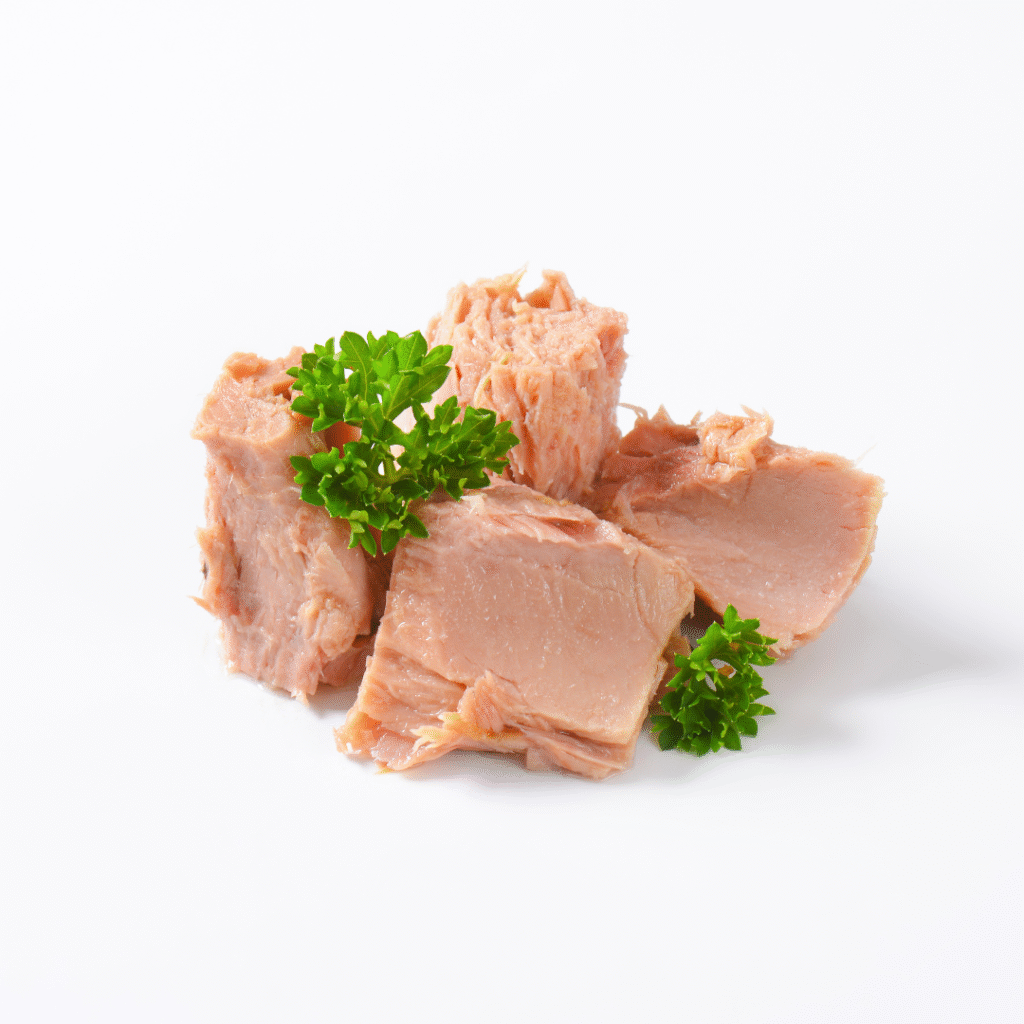
Choosing the Right Tuna
Whenever possible, I buy canned tuna that is:
- Wild-caught: For better omega-3 content and sustainable practices.
- Packed in water: Cleaner and healthier flavor than oil-packed.
- Pole-and-line caught: More responsible for ocean health.
- BPA-free cans: Safer for you and your family.
You will need:
Serves 4
- 2 cans of high-quality wild-caught tuna (packed in water)
- 4 tablespoons organic mayonnaise (we prefer avocado mayonnaise)
- ¼ red onion, diced
- Sea salt and pepper—or grill seasoning, to taste
Step by step
- Drain the tuna and place it in a medium mixing bowl.
- Add the mayonnaise and diced red onion.
- Mix everything well until creamy and evenly combined.
- Season with salt, pepper, or your favorite spices.
- Adjust the texture with a little more mayonnaise if you like it creamier.
Optional add-ins: diced apple, peas, celery, or fresh herbs.
Garnish ideas: extra red onion, pickled onion, chopped spring onion, or garden chives.
Serving Ideas
This tuna salad works in so many ways:
- On a sandwich with gluten-free bread or crackers
- As a salad topper on a bed of greens
- In lettuce wraps for a light and fresh meal
- On baked potatoes for a hearty, filling option
- With crackers or veggie sticks for lunchboxes or snacks
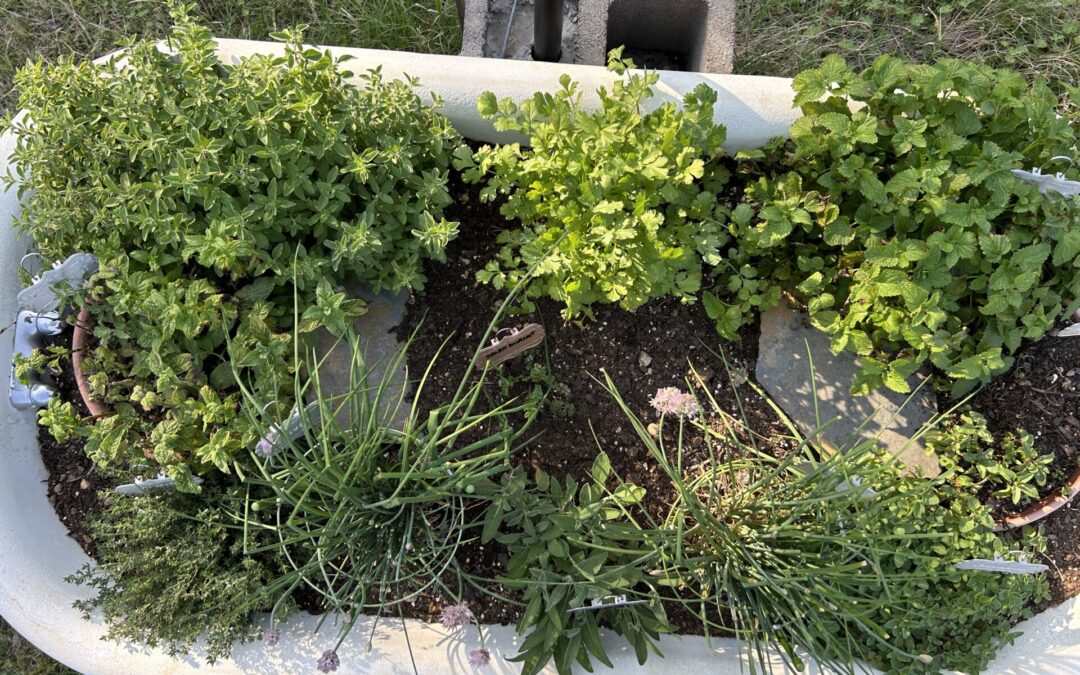
Sometimes I add chopped herbs from the garden—dill, parsley, or chives—or garnish with pickled red onion for a little extra kick.